

Creating a supportive environment in senior communities helps improve emotional well-being and promotes stronger social ties. A positive atmosphere allows residents to feel valued, maintain independence, and build meaningful connections with others. In large, busy regions like Los Angeles, senior communities often serve residents from many different backgrounds and family situations, which makes intentional emotional support even more important. Understanding how to create a mentally healthy environment helps communities improve daily life and emotional balance for their residents.
This article explores practical, psychiatric-based approaches that make senior living spaces more positive and inclusive. It explains how structured therapy sessions, mindful design, outdoor access, and well-trained staff can strengthen emotional stability. Each section provides simple ways to create settings that promote purpose, safety, and comfort for older adults.
Implement regular group therapy sessions led by licensed mental health professionals
Regular group therapy sessions give seniors consistent emotional support and a structured space to talk about shared experiences. Sessions often include five to fifteen participants and can address stress, anxiety, grief, or loneliness in older adults. Licensed professionals guide conversation, encourage respect, and help members practice healthy communication.
Therapists in California, including Reimagine Psychiatry LA psychiatrists, can lead these sessions virtually so residents in senior communities across the state can take part. This approach helps maintain access to care even if mobility or transportation is limited. It also allows clinicians to track progress and adjust medication or coping strategies as needed.
Each meeting should follow a consistent schedule to build trust and predictability. Guided exercises such as mindfulness, short discussions, or role-play can help participants develop social connections and emotional resilience. Over time, consistent group interaction supports better mental health and contributes to a calmer, more supportive community atmosphere.
Design communal spaces that encourage social interaction and reduce isolation
Communal areas in senior communities should invite people to connect through simple and pleasant design choices. Comfortable seating in small clusters allows residents to talk easily without feeling crowded. Natural light and warm colors help create calm and openness that motivates conversation.
Spaces with flexible layouts give staff the ability to host small group activities or quiet gatherings. For example, movable furniture lets a lounge shift from a reading corner to a discussion area. Clear paths between areas make movement feel natural and safe, which helps residents join in social events without hesitation.
It also helps to include features that give residents a sense of purpose. Shared gardens, art corners, or music areas can spark positive moods and casual interaction. Thoughtful layout and gentle lighting can reduce feelings of loneliness by keeping people connected to both place and community.
Incorporate mindfulness and meditation programs tailored for seniors
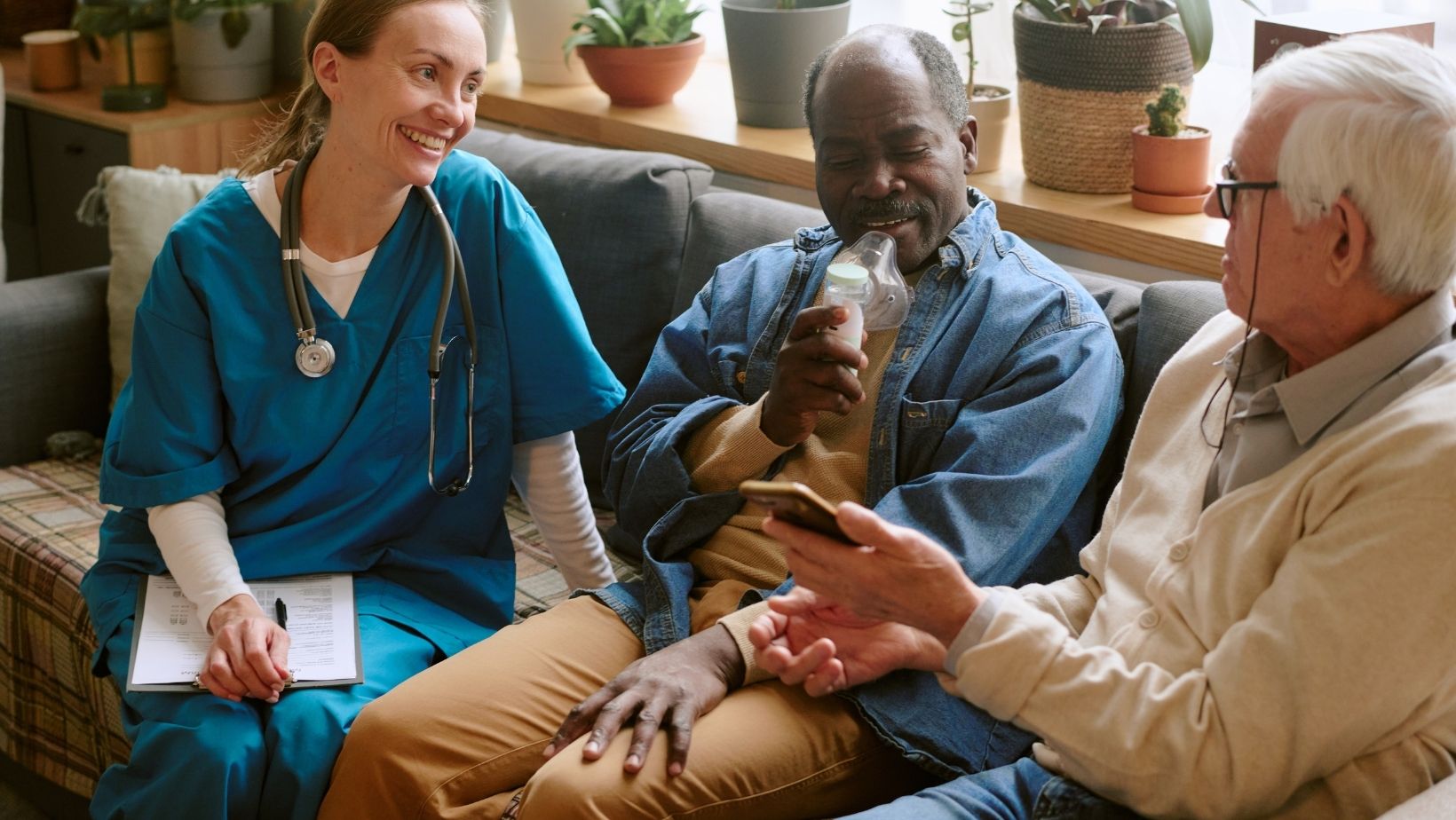
Mindfulness and meditation can support better mental balance for older adults in senior communities. These programs help reduce stress and improve focus through calm and structured exercises. Simple breathing or short reflection sessions can help residents feel more present and relaxed.
Staff can schedule guided meditation sessions led by trained facilitators. Residents may follow gentle directions to sit quietly and focus on breathing or body awareness. These moments of stillness can also calm anxiety and lift mood without the need for medication.
Facilities can integrate mindfulness into everyday activities such as morning gatherings or movement classes. Even five minutes of quiet focus before meals or bedtime can make a difference. Over time, participants often notice improved attention, lighter moods, and better sleep.
Care teams who model mindfulness themselves contribute to a peaceful atmosphere. Their calm presence helps reinforce the value of these practices across the community.
Many communities also pair mindfulness with gentle yoga-based movement, since yoga typically combines breathing, simple postures, and relaxation in a way that can support stress management, sleep, and balance. For residents with limited mobility, chair-based formats can be a practical option; a small case series in an independent living facility found chair yoga was feasible and may support functional mobility and strength. If you add yoga sessions, prioritize instructors who can offer clear safety modifications and coordinate with clinical staff (and encourage residents to follow medical guidance when needed). A structured teacher-training background can help maintain consistency and appropriate cueing, programs such as All Yoga Training provide Yoga Alliance–accredited training pathways that can support staff or partner instructors building a solid foundation.
Guarantee easy access to outdoor areas for physical activity and relaxation
Easy access to outdoor spaces supports both movement and calm in senior communities. Residents who can reach gardens, walking paths, or patios without obstacles often remain more active and socially engaged. Simple design choices such as level paths, shaded seating, and benches at regular intervals help make these areas more usable.
Research shows that time spent in natural settings improves mood and lowers stress. Access to sunlight and fresh air can also help seniors feel more alert during the day and rest better at night. A safe and peaceful outdoor setting encourages gentle exercise like stretching or short walks, which supports physical and mental health.
Communities that highlight open areas for relaxation and mild activity often see stronger neighbor connections. Quiet corners for reading or conversation give residents personal choice in how they spend their time. These small design steps create a setting that feels calm, welcoming, and supportive of daily well-being.
Train staff to recognize and respond to early signs of mental health decline
Staff training helps senior communities maintain a stable and supportive atmosphere. Well-prepared employees can notice early changes in behavior, mood, or daily habits that may show mental health decline. Early recognition allows for faster action before problems progress.
Training should teach staff how to approach residents with respect and care. Simple techniques, such as open communication and careful observation, help staff identify residents who seem withdrawn, anxious, or confused. These steps lead to earlier conversations about mental health concerns and safer interventions.
Practical courses can guide staff on how to respond effectively. For example, they can learn calm communication methods, how to alert clinical teams, and ways to provide reassurance. Ongoing refreshers also keep skills current and strengthen staff confidence. As a result, residents receive attention and support before issues escalate.
Conclusion
Creating positive environments in senior communities depends on attention to emotional and psychological needs as much as physical care. A supportive atmosphere helps residents feel valued, connected, and secure. Small actions such as active listening and consistent staff communication often build trust more effectively than large-scale programs.
A balance between social activities and private time allows seniors to manage stress and maintain a sense of control. Group sessions, art or music activities, and light physical exercise can help reduce anxiety while encouraging friendships.
Respect for individuality remains at the center of psychiatric care. Staff who treat residents with dignity help maintain self-esteem and emotional strength. Regular feedback from residents also guides programs toward meaningful improvement.
In summary, senior communities that focus on empathy, open conversation, and personalized care create healthier, more positive environments. This practical approach supports mental wellness and promotes a sense of belonging for older adults.