
Sharing food with your dog can feel like bonding. It can also turn into stomach upsets, weight gain, and “begging with teeth.” The fix is not a full dog menu made from human recipes. The fix is small, plain add-ons that lift flavour, add moisture, and keep your dog’s main diet steady. This matters in busy homes, including those with newborn puppies.
First, the guardrails that keep sharing safe
Before we get to the five ingredients, keep these rules in mind when preparing food for your pooch.
- Plain wins. Skip salt, oil, spice blends, sauces, and marinades.
- No alliums. Onion, garlic, and chives can harm dogs.
- Watch dairy. Many pets lack lactase, so milk products can trigger loose stools.
- Avoid xylitol. It can cause dangerous blood sugar drops and liver damage in dogs.
- Keep “extras” small. Treats and toppers should stay under 10% of daily intake.
If a topper is tasty, your dog will ask for it again. Measure it like a treat, not like a side dish.
5 Healthy Ingredients You Can Share with Your Dog
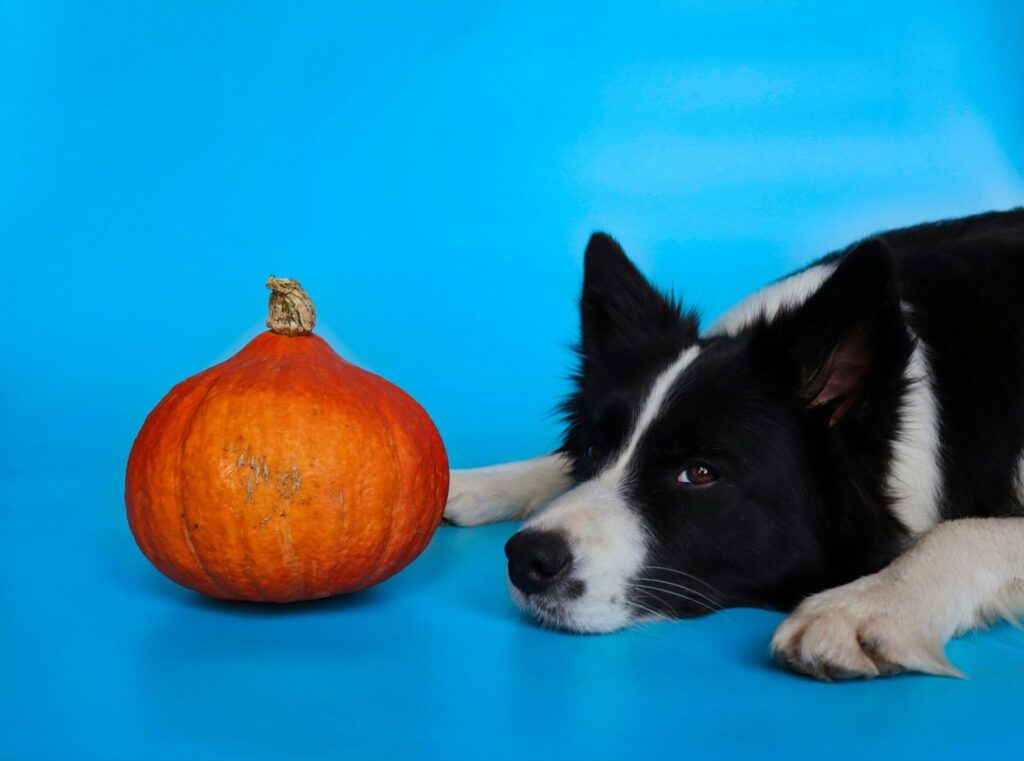
- Pumpkin (plain puree)
Why humans like it: fibre and texture. It thickens soups, muffins, and sauces.
Why dogs like it: it adds moisture and fibre without heavy calories, and many vets use it as a gentle “reset” for mild stool issues when served plain.
How to serve it (dog-safe):
- Use plain cooked pumpkin or 100% canned pumpkin.
- Skip pumpkin pie filling and spiced blends. They can contain sugar, spices, or sweeteners like xylitol.
- Start with a teaspoon for small dogs, then adjust based on stool.
Pumpkin works as a “sticky base” for a lick mat. A lick mat buys you calm time during dinner prep.
Quick idea: Mash pumpkin + a spoon of plain yoghurt (see #3) and freeze in an ice cube tray for a high-value treat.
- Sweet potato (cooked, unseasoned)
Why humans like it: it fills you up and pairs with savoury meals.
Why dogs like it: it tastes sweet, it chews well, and it makes a steady low-mess treat when cooked. Raw chunks can cause gut upset or choking risk, so cook it.
How to serve it (dog-safe):
- Bake or steam. No salt, no butter, no garlic.
- Cut into 1cm cubes for small dogs.
- Keep it as a topper or training treat, not a meal replacement.
Sweet potato makes a solid “marker treat” for recall work. It smells mild, so it suits indoor training. For high drive dogs, dehydrate thin slices for a longer chew.
Quick idea: Roast sweet potato coins, cool, then store in the fridge for up to three days as a treat.
- Plain yoghurt (no sweeteners)
Why humans like it: protein and a clean base for bowls and sauces.
Why dogs may do well with it: plain yoghurt can act as a light probiotic source, but lactose can still cause gas or loose stools in many dogs.
How to serve it (dog-safe):
- Choose plain yoghurt with no added sugar.
- Avoid any yoghurt that lists xylitol.
- Start with a small spoon, then watch stool and skin.
Yoghurt is a “delivery system.” It helps you:
- freeze enrichment treats
- hide a bitter tablet
- keep a dog busy during a baby’s nap
Quick idea: Fill a rubber Kong toy or similar with plain yoghurt + a few sweet potato cubes and freeze for a long-lasting way to distract your dog.
- Bone broth (dog-safe, low salt)
Bone broth sits in the “gut health” conversation for people. The bigger win in dog homes is simpler: hydration, aroma, and appetite.
Why humans like it: warmth, flavour, comfort in soups and grains.
Why dogs love it: it makes dry food smell rich, and it adds fluids. It also contains compounds linked with connective tissue support, which is one reason owners use it for older dogs.
How to keep broth safe:
- Avoid broths made with onion or garlic.
- Choose a low-sodium version when possible. Many human broths run salty.
- Never feed cooked bones. Strain well if making your own at home. Cooked bones can splinter.
Broth is a secret weapon for hot days and travel days. Freeze broth into cubes and add one to the water bowl after a walk. It can boost drinking.
Quick idea: Freeze broth in silicone trays. Pop one cube onto kibble for picky eaters.
- Salmon (cooked, boneless, no seasoning)
Why humans like it: flavour plus omega-3 fats.
Why dogs benefit: omega-3s can support skin and coat health, and salmon offers a strong protein option for dogs that do not suit chicken.
How to serve it (dog-safe):
- Bake, steam, or poach. No oil, no salt, no garlic, no onion.
- Check for pin bones.
- Keep it as an occasional topper.
- Do not feed raw or undercooked salmon. Parasite risk exists, and it can cause serious illness, especially with wild-caught salmon.
Salmon is a “high value” reward. Save it for grooming drills, nail trims, car rides, and vet visits.
Quick idea: Flake cooked salmon into pea-size bits, freeze in a single layer, then bag it. When using as a topper just break off a small square of salmon to add to your dog’s bowl.
The “one change” method that stops tummy trouble
This is how trainers and foster homes avoid chaos:
- Pick one ingredient from this list.
- Serve a tiny amount for three days.
- Watch stool, itch, and energy.
- Keep toppers under the 10% rule.
If stools soften, cut the portion in half. If your dog vomits, refuses food, or seems unwell, stop and call your vet.
Pantry sharing can be simple
You do not need a second grocery list for your dog. You need five “bridge” ingredients that work for both bowls, and a plain prep style that keeps risk low.