
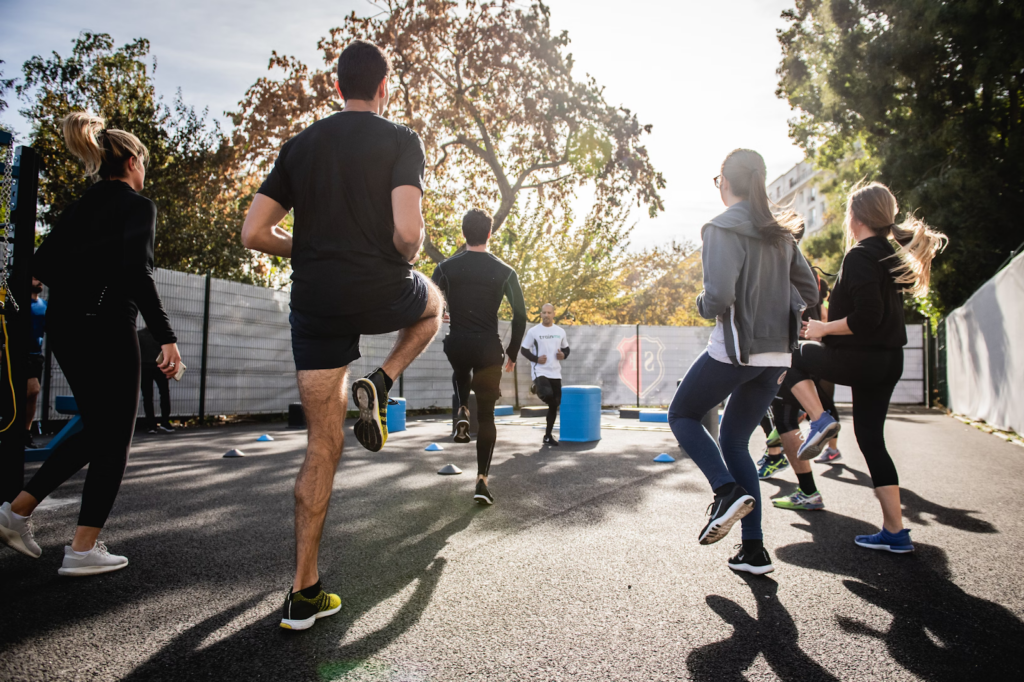
Summer cities can feel like radiant ovens: shimmering pavement, crowded sidewalks, and thick air that makes even a short walk feel dramatic. Yet those same streets, parks, and public corners can become a surprisingly versatile training ground. Urban fitness is less about owning gear and more about designing a repeatable routine that fits real constraints—heat, time, noise, and limited greenery.
If you enjoy pairing habits with small rewards, you might unwind after a session with a quick dice casino game on your phone, but the main principle is still disciplined: build movement into your day in ways that are enjoyable, measurable, and sustainable.
Think of the city as a modular gym
The urban advantage is density. Within a few blocks you can usually find flat stretches, gentle inclines, stairs, open lawns, shaded paths, benches, rails, and quiet courtyards. Treat these features as “modules” you can combine into a session:
- Sidewalks for brisk walking intervals
- Park loops for steady jogging
- Stairs for short, powerful climbs
- Benches and rails for simple strength work
A practical trick is to create a tiny “fitness map” of your neighborhood: two shaded routes, one reliable stair set, one calm park corner, and one backup option for crowded days. These anchor points reduce friction because you’re not reinventing the plan every time; you’re selecting from a familiar menu.
Heat-smart training: intensity is a thermostat
In summer, the limiting factor is often thermal stress, and the city amplifies it through reflected sunlight, warm building surfaces, and reduced airflow. Smart training treats intensity like a dial. Instead of “hard or nothing,” use a gradient: easy days for comfortable aerobic work, moderate days for controlled intervals, and occasional hard days that are shorter and carefully timed.
Timing is the cleanest lever. Early morning and late evening tend to be cooler and calmer, with softer light and fewer pedestrians. If you must train midday, shift the goal from performance to maintenance: a shorter walk, a shaded mobility circuit, or a light stair session with long rests. Wear breathable fabrics, choose shaded streets over wide sunlit avenues, and plan water stops the same way you plan turns on a route.
Hydration helps, but pacing is decisive. In heat, the “talk test” is a practical governor: if you can’t speak a full sentence, you’re likely pushing beyond what the conditions can support.
Urban cardio without boredom
City cardio becomes more engaging when you use “landmark intervals.” Pick visible points—two intersections, a fountain, a bridge—and alternate effort between them. This creates structure without obsessing over numbers, and it naturally adapts to traffic lights and foot traffic.
Three beginner-friendly formats:
- Walk–jog intervals (short jogs, longer walks)
- A steady park loop with a relaxed warm-up and cool-down
- Stair repeats (brief climbs, slow walk down)
Use perceived effort to stay honest. On most days, aim for an effort that feels “comfortably challenging” rather than punishing; you should finish feeling pleasantly worked, not drained. Repeat the same route weekly and you’ll notice improvement in breathing, pace, and confidence, even if you never track a single metric.
Strength training with ordinary city objects
You don’t need a full gym to build useful strength. Bodyweight work becomes challenging when you control tempo and range of motion. Urban environments provide stable surfaces and varied heights that upgrade simple movements.
A compact circuit might include step-ups, incline push-ups, split squats, a hip-hinge pattern (using a backpack if needed), and planks. Progression can be modest and intelligent: add one round, slow the lowering phase, shorten rests, or choose a slightly higher step. These small changes compound without requiring new equipment.
Active transportation and social structure
One of the most effective city strategies is treating transportation as training volume. Not every session must be formal; consistent low-to-moderate movement builds an aerobic base and supports recovery. Walking an extra stop, choosing stairs for a few floors, or carrying groceries in smaller loads can quietly add meaningful work across a week—especially for people who struggle to “find time” for exercise.
Community also matters more than people admit. Group routines reduce decision fatigue and raise follow-through. Free park classes, casual walking meetups, or pickup games can turn exercise from a solitary chore into a lively, low-pressure ritual. Even a standing “same day, same time” walk with a friend is a powerful adherence tool because it turns fitness into an appointment, not a negotiation.
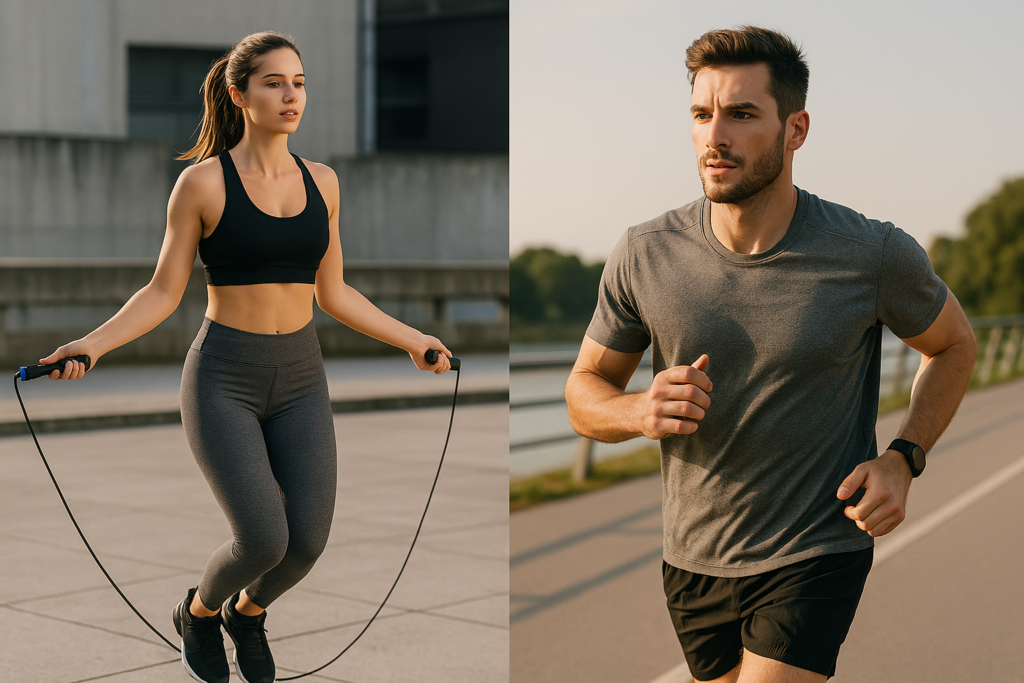
Recovery, injury prevention, and a simple weekly plan
Hard surfaces and heat increase strain, and beginners often discover that connective tissue lags behind enthusiasm. Make recovery part of the system: cool down with a shaded walk, keep calves and hips mobile, rotate footwear, and prioritize sleep in a cooler room. If pain becomes sharp, persistent, or changes your gait, reduce intensity and volume; consistency beats heroics.
A realistic weekly template for city life:
- 2 days cardio (park loop, intervals, or brisk walk)
- 2 days strength (bench/rail circuit)
- 1 day longer, easy “exploration” session
- 2 lighter days for short walks and mobility
Swap days based on weather. The structure stays steady; the modules change.
Conclusion: fitness is design, not escape
You don’t need to leave the city to feel athletic in summer. With a modular mindset, heat-aware pacing, and simple routines that respect recovery, the urban landscape becomes a vivid playground rather than an obstacle. Start small, repeat what works, and let the city’s variety keep you curious, consistent, and confidently active.