
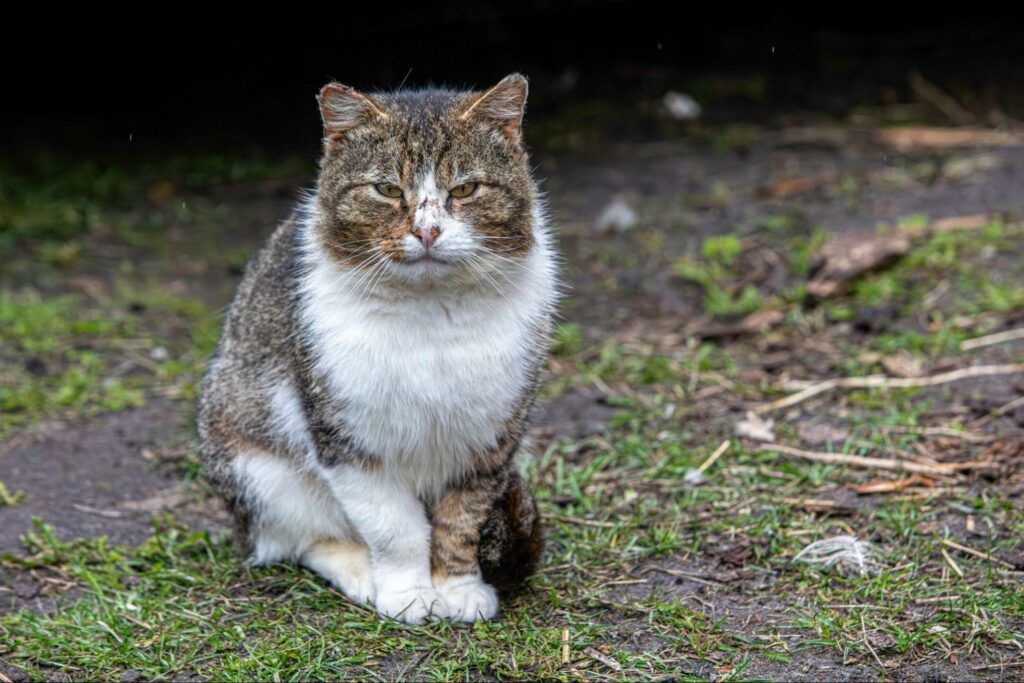
Cats are masters of camouflage. They’re fiercely independent and subtle; and they’re notoriously difficult to read. For many pet owners, that translates into a tragic reality: cats hide their pain until it’s serious. Unlike dogs, who might whine, limp, or beg to be held, cats have a strong instinct to mask their discomfort. It’s a trait that has served them well in the wild and that extends to even the most pampered of pets today.
If you’re thinking of bringing home a new kitten or already share your heart with a feline friend, learning how cats conceal their pain is one of the most important things you can do. It could mean the difference between a prompt diagnosis and a crisis visit to the veterinary hospital.
Let’s look at what the signs are, some of the reasons behind feline stoicism, and how you can become skilled at spotting the subtle signs of discomfort before it’s too late.
Why Cats Conceal Pain
Evolutionary survival mechanism
In the wild, small predators and prey animals who show pain or weakness risk becoming prey themselves. Cats have evolved to mask pain in order to avoid attracting the attention of larger carnivores. That instinctual behaviour pattern remains ingrained in domestic cats today.
Subtle expression
While dogs have complex vocal cords and facial musculature that serve as expressions of communication, cats do not. Instead, a cat that is in pain may simply groom themselves less, be less curious, or blink less (this is their version of saying “hello”).
Reward and punishment history
In some environments, (historically), showing pain has not rewarded help — instead, it has attracted punishment or even predation. Wild adult cats learn very quickly that it is safer to remain silent and still than to show visible signs of pain.
All of this means that: a kitty who appears to be just fine may actually be feeling much worse than you realize.
The Common (and Hidden) Signs of Feline Pain
A lot of cat owners get lulled into believing that their kitty is in good health because they don’t scream, refuse food, or even limp like a dog might. However, pain in felines often presents in ways that are easy for us to overlook.
Here are the most common signs of feline pain:
1. Reduction in Grooming / Over Grooming
Cats are meticulous groomers. A notable decrease in grooming habits almost always indicates discomfort. This is especially true if your cat stops cleaning their hindquarters, legs, or face.
A cat that over-grooms one specific area (leading to bald patches) could be trying to soothe localized pain such as arthritis, an injury or skin irritation.
2. Changes In Eating Habits
A cat that is experiencing pain may do any of the following:
-
Eat less than normal at mealtimes
-
Start to chew on only one side of its mouth
-
Drop food while eating
-
Stop eating wet food (dental pain)
A gradual reduction in appetite or food avoidance (even if it is occasional) should never be ignored.
3. Changes In Activity Levels / Less Social Interaction
Cats in pain will often:
-
Sleep more than usual
-
Stop jumping up onto their favourite spots
-
Become reluctant to climb stairs
-
Hide in more unconventional places
A cat that used to be active now lying like a “couch potato” should raise concern.
4. Subtle Body Language Changes
Instead of obvious signs like limping, watch for more gentle indicators:
-
A stiff body after lying down for a while
-
Slow or hesitant movements
-
Ears that are flat when walking
-
Squinting when touched
Such subtle body language may indicate underlying joint pain, dental problems, or internal pain.
5. Personality Changes That Don’t Seem Normal To You
A cat that is in pain may:
-
Become either more clingy or less affectionate than normal
-
Be hisses or swats when touched in certain areas
-
Be less social but all of a sudden hides in unusual places (higher spots where they used to hide as a kitten or lower spots)
If your cat suddenly alters its personality for seemingly no reason, consider pain as a possible cause.
Why Commonly Accepted Measures Of Pain Do Not Apply To Cats
Many owners look for dog-like behaviours: whining, limping, barking when someone approaches them. In cats:
-
Vocalization may be an expression of fear rather than pain
-
Limping may be too subtle to see at times or may not be consistent
-
Grooming frequently hides pain through distraction
Cats often hide from humans when they’re hurt instead of seeking comfort
According to veterinary behaviour science, cats appear to express their pain in context dependent ways rather than through overt signals or behaviours.
Veterinary research tells us that:
Physical exams, observations over time and reports from the owner of behaviour changes that they have noticed during interactions with their pet can often be more revealing than an isolated observation by an unfamiliar veterinary personnel or technician.
For many hidden conditions like early stages of arthritis and internal problems, longitudinally tracking your pet’s behaviour can reveal pain long before a single visit to a veterinary clinic can.
Common Conditions That Have Hidden Pain As A Symptom
Being aware of common conditions that cause pain can also help you remember what to pay extra close attention to:
Arthritis
Most commonly seen in older cats and can take many forms. Note that early signs of arthritis may include:
-
Slower movements (may even seem subtle)
-
Cats avoiding stairs
-
Cats sleeping in unusual positions
A gentle mobility test may reveal this at home — paying attention to how your kitty moves up and down levels around them.
Dental Disease
Cats are excellent at concealing dental pain. Watch out for chewing behaviours like dropping food and even chewing slowly. A request for softer food is often a sign from your cat.
Regular dental checks at the vet are essential since untreated dental disease affects blood flow throughout the body — leads to systemic inflammation and reduced lifespan!
Hidden Internal Problems
Consider conditions like chronic kidney disease, inflammatory bowel disease (IBD), or even early cancer. These commonly appear with low-grade pain that tends to manifest only as changes in behaviour rather than distinct symptoms patients may seek help for.
When To Take Your Cat To The Vet: Red Flags To Look Out For
Take your cat into the vet without delay if your cat is showing any of the following:
-
Loss of appetite for more than 24 hours
-
Hiding and trembling when touched; fear of being touched
-
An uptick In urinating or straining when urinating
-
Changes in defecation patterns; straining with no feces
-
Continued changes in grooming patterns (presence of mats)
-
Limping (that appears severe) even after several hours; reluctance to use stairs
-
Sudden aggressive behaviour when being handled.
Take your cat in for assessment immediately if:
-
The cat is older than 10 years
-
The cat has previously undergone surgery (especially intubation)
-
The cat is a Brachycephalic breed (flat faced)
The Takeaway: Learn Your Cat’s Normal — Before You Need to
Cats don’t broadcast their problems loudly. They give off clues; usually small ones. The better you know your cat’s behavioural patterns — how she eats, acts, moves and interacts with you — the easier it will be for you to notice even slight deviations from the norm.
Your best defense here is awareness. Being aware of your kitty’s everyday habits will allow you to pick out painful signs before anything gets too overwhelming for you both.
The sooner you detect any potential hidden pain; the easier it will be for you to seek treatment so your companion may have years more adventures ahead! Pay attention to the little things. In this species who use hiding as a means of surviving, those little things may just be the loudest cries for help!